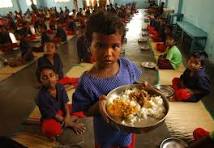
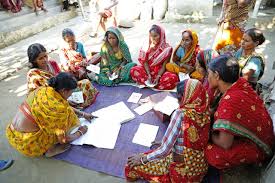
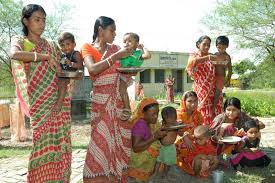
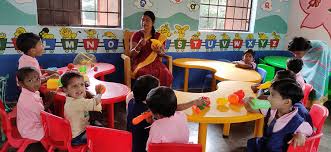
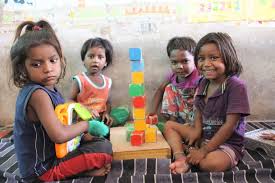
An Anganwadi is a type of rural child care center in India, established under the Integrated Child Development Services (ICDS) program by the Government of India in 1975. The primary aim of Anganwadi centers is to combat child hunger and malnutrition and provide basic health care and early childhood education.
Vision
Promote Early Childhood Education.
Mission
Reduce Malnutrition and Improve Child Health.
Values
Child-Centric Approach
Services Provided by Anganwadi Centers
Supplementary Nutrition – Provides food to children under six years, pregnant women, and lactating mothers.
Pre-School Education – Offers basic early childhood education to children aged 3 to 6 years.
Immunization – Supports vaccination programs in coordination with health departments.
Health Check-ups – Monitors the health of children and women, including antenatal care.
Referral Services – Helps identify severe malnutrition or health issues and refers cases to hospitals.
Nutrition and Health Education – Educates mothers about proper nutrition, breastfeeding, and hygiene.
Anganwadi workers and helpers play a crucial role in running these centers, serving as a link between the government and rural communities. These centers are especially vital in improving child and maternal health in India. Demo today